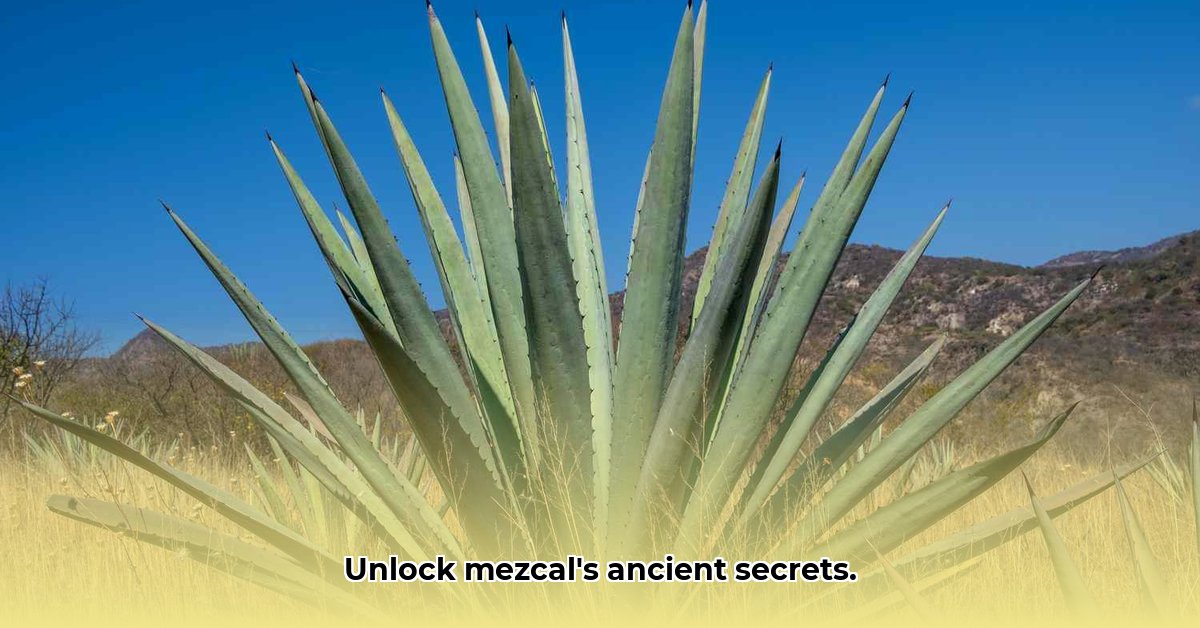
Mezcal Plant: Unveiling the Spirit of Agave
Right, so you're keen to learn about mezcal? Forget the fancy jargon; let's get straight to the good stuff. This isn't just any drink; it boasts a rich history and a whole heap of flavour in every drop. We'll journey from the agave plant, nurtured under the Mexican sun, to that first delicious sip. We'll uncover the secrets of different agave varieties – some smooth, some smoky, some seriously complex – and show you how to distinguish the genuine article from imitations. We'll even tackle the tricky bits, like deciphering those labels and ensuring you're buying top-quality mezcal. Get ready to become a mezcal connoisseur, one sip at a time!
Getting to Know the Agave Family: The Heart of Mezcal
The agave plant isn't just one thing; it’s a whole family! Espadín is the most common agave used, the friendly face of mezcal, readily available and generally smooth. But there's a whole universe beyond Espadín. Agaves like Tobalá deliver a peppery kick, while Tepextate offers a powerful, mineral-rich punch. Even the wild Jabalí adds its unpredictable flair. Each agave possesses its own growth cycle, impacting the final taste. The longer it grows, the more complex and intense the flavour profile becomes – much like a fine wine.
Here's a closer look at some agave stars:
| Agave Type | Characteristics | Flavour Profile |
|---|---|---|
| Espadín | Abundant, easily cultivated | Smooth, subtly sweet, hints of herbs |
| Tobalá | Slow-growing, smaller plant | Spicy, earthy, complex notes |
| Tepextate | Challenging to cultivate, lengthy maturation period | Intensely mineral-rich, smoky, assertive flavours |
| Jabalí | Wild, difficult to locate | Wild and earthy, unpredictable flavour profiles |
From Agave Heart to Glass: The Mezcal-Making Magic
Mezcal production is an ancient craft, passed down through generations. It’s not merely a recipe; it's a comprehensive process, a story in itself. Let's break it down step-by-step:
Harvest: Mature agave hearts, or "piñas," are carefully harvested, often using traditional techniques that respect the plant and the land.
Roast: The piñas are roasted in underground ovens called "palenques." This slow roasting imbues mezcal with its distinctive smoky flavour. Think of it like a slow, low braai, but with agave hearts instead of chops!
Mash and Fermentation: The roasted piñas are crushed (often traditionally with a tahona, a large stone wheel) and then fermented, typically using naturally occurring yeasts. This allows the mix to develop its unique character.
Distillation: This is where the magic truly happens! The fermented mixture is distilled, usually twice, in copper stills, purifying the drink and intensifying the flavours.
Ageing (Optional): Some mezcals are aged in oak barrels, adding complexity and depth, much like refining a fine cheese. Others are bottled young, showcasing the agave’s natural flavours.
Understanding Mezcal Labels: Navigating the Market
The mezcal world can be a bit bewildering. Thankfully, the Consejo Regulador del Mezcal (CRM) sets standards to guide you. Here are some key classifications:
Mezcal: The broadest category, encompassing a wide range of production methods.
Mezcal Artesanal: Highlights the use of traditional methods, often in smaller batches, lending a more personal touch.
Mezcal Ancestral: Signifies the most traditional techniques, often employing ancient methods and wild agave, showcasing a deep connection to the past.
A Mezcal Tasting Adventure: Exploring the Flavours
Tasting mezcal is far more engaging than simply stating "it's smoky"! Consider the agave type; it significantly impacts the flavour. The production method also plays a crucial role. You might detect fruity notes, spicy undertones, earthy hints, or a strong mineral taste. Is it sweet? Tart? Or something entirely different? That "worm," or gusano? Mostly a marketing ploy – it doesn't reflect the mezcal's quality.
Sipping Sustainably: The Future of Mezcal
The increasing popularity of mezcal puts immense pressure on agave resources. Sustainable farming is paramount to ensure we can enjoy mezcal for generations to come. Many producers are adopting eco-friendly practices and fair-trade initiatives to maintain a responsible industry that doesn't harm the environment or the communities involved. Isn't it vital that we protect this incredible spirit and the rich culture surrounding it?
Choosing Your Perfect Mezcal: A Buyer's Guide
When selecting a bottle, examine the label closely. A CRM seal indicates it meets specific standards. Look for producers committed to sustainability and ethical practices. Don't hesitate to experiment and try different agave varieties – that's part of the fun! Discovering your favourite mezcal is a journey; enjoy the exploration!
How to choose sustainably produced mezcal based on agave type
Key Takeaways:
- The surge in mezcal's popularity creates significant pressure on agave resources.
- Sustainable practices are essential for the long-term health of agave ecosystems.
- Choosing sustainably produced mezcal supports both the environment and local communities.
- Increased consumer awareness and responsible purchasing are crucial for positive change.
Choosing sustainably produced mezcal, based on agave type, requires understanding agave varieties and production methods. By making informed decisions, we can ensure the future of this remarkable spirit.